Exploring Old Havana and Classic American Cars

Walking Tour of Old Havana

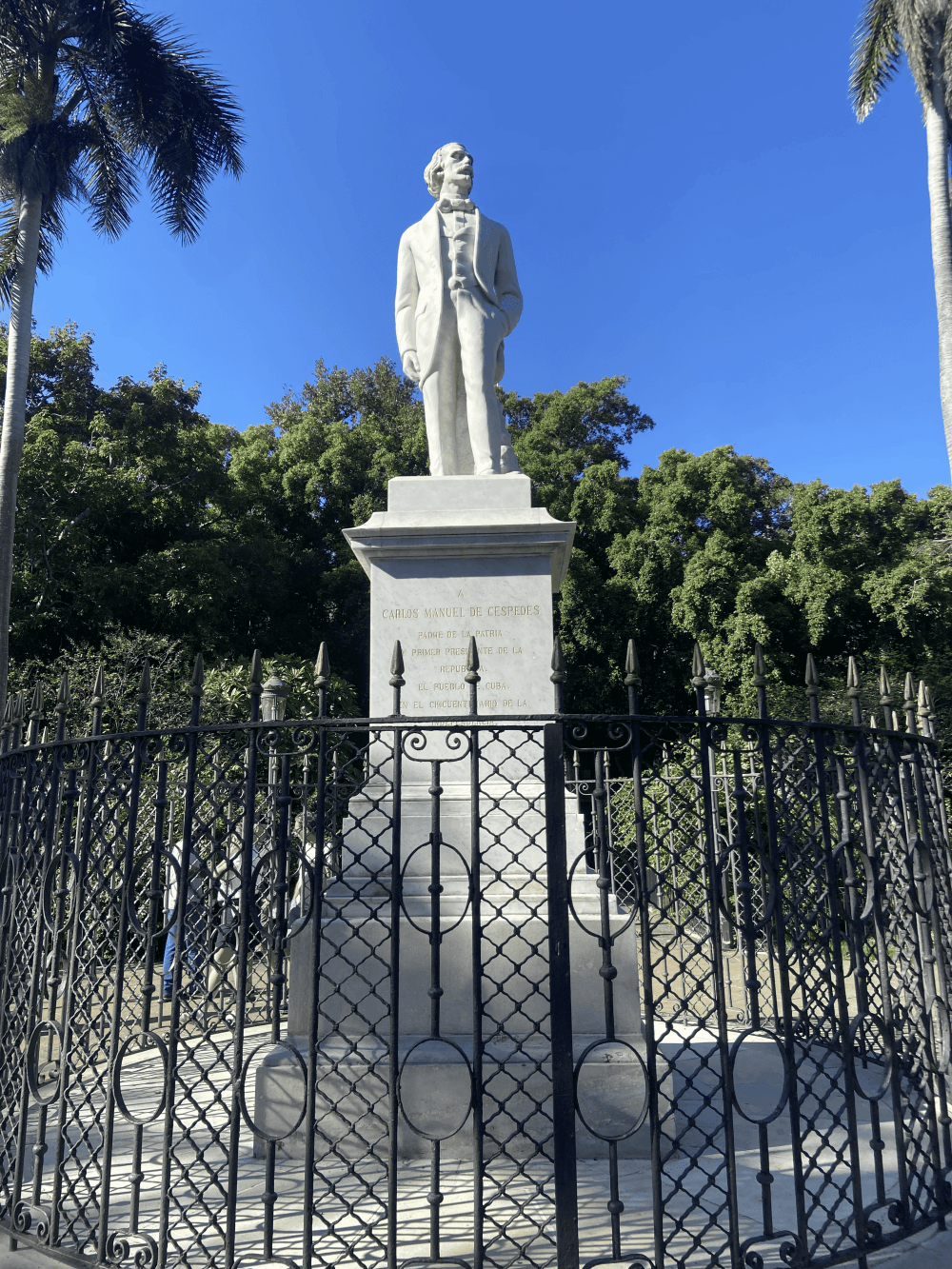
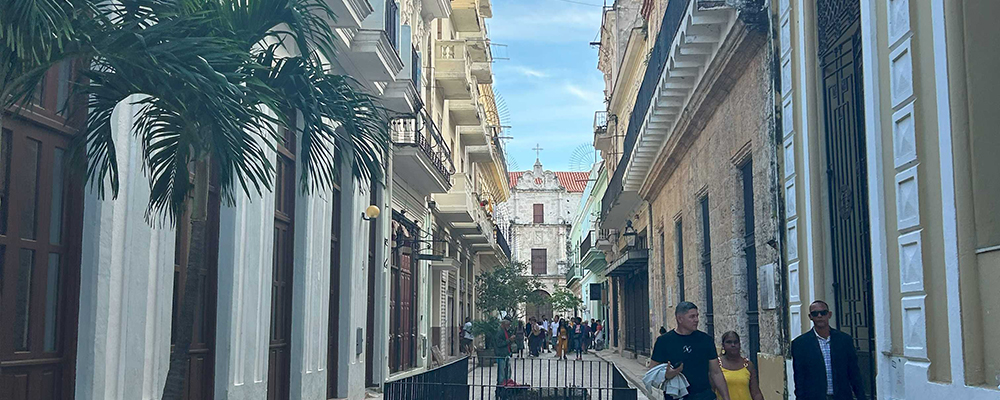
Day 3 in Cuba was marked by exploration and a warm reminder of home. After a light breakfast at the Residencia, our group took a bus to Old Havana to embark on a walking tour of the historic heart of the city. The night prior, API program director Melisa Rivière had asked us to make three observations throughout our tour: one historical connection to African heritage, another connection to indigenous Cuban heritage, and another to Spanish history on the island. Once we arrived in Old Havana, this task seemed elementary. As soon as we stepped off the bus, we were met by a statue of Cuban countryman Carlos Manuel de Céspedes in the famous Plaza de Armas. Cespedes was given the nickname “Padre de la Patria”, which translates in English to “Father of the Country.” Cespedes earned this moniker through his efforts towards Cuban independence, becoming one of the first leaders to sacrifice his wealth and status for Cuba’s sovereignty. 

(Statue of Carlos Manuel de Cespedes in Plaza de Armas)

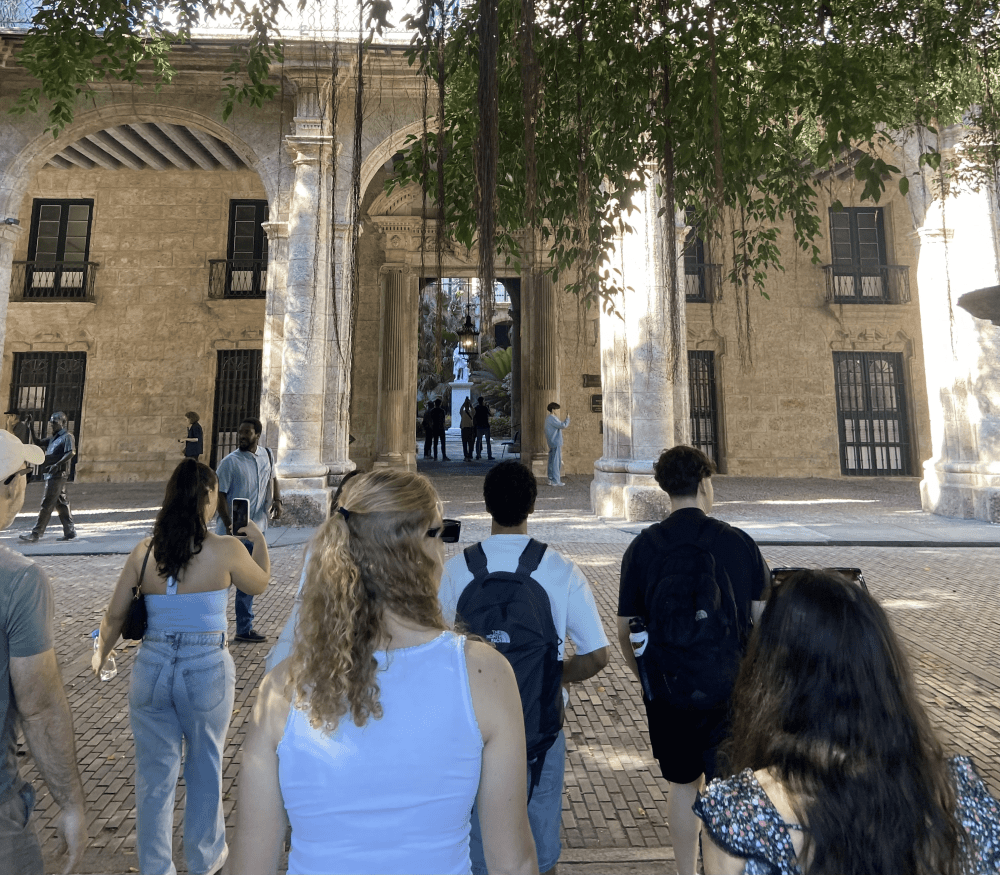
Not too far from this statue stood the Palacio de los Capitanes Generales, a house of great historical importance to Spanish Colonialism on the island. This was the place where Spanish Governors would rule the island during the Spanish occupation of Cuba. Did you know the wood road pictured in the foreground is one of the shortest wood roads in the world? This compact wood road was constructed in order to reduce the noise made outside the Palacio from horse-drawn carriages and the morning bustle. 

(Palacios de los Capitaines Generales in the Plaza de Armas)

As we moved further into the city, we were further immersed in Cuban culture and history. In the Plaza de la Catedral, we were met with the beautiful Cathedral of Havana, as well as numerous Jineteros who quickly picked up our tourist status. A Jinetero (or Jinetera) is a street hustler who targets tourists specifically to make a quick buck through tours or various goods. In attempts to evade these Jineteros, we arrived at the Plaza Vieja, which used to be the place of auctioning off African Slaves as a part of the Trans-Atlantic Slave Trade. 

Shortly after, we took a quick break to visit the Museo de Chocolate, where we indulged in cheap chocolate sweets (the cheapest was $0.25 USD)! In addition, we each tried the shop’s famous “frozen chocolate”, which best represented a chocolate slush in the US. After our short regrouping, we resumed our adventures by visiting sites such as the Plaza de Sanfrancisco de Asis. This plaza was crucial to ships in the Caribbean, as it served as an important meeting point for all ships in the region before they set sail for Spain.

Lunch at Bahia

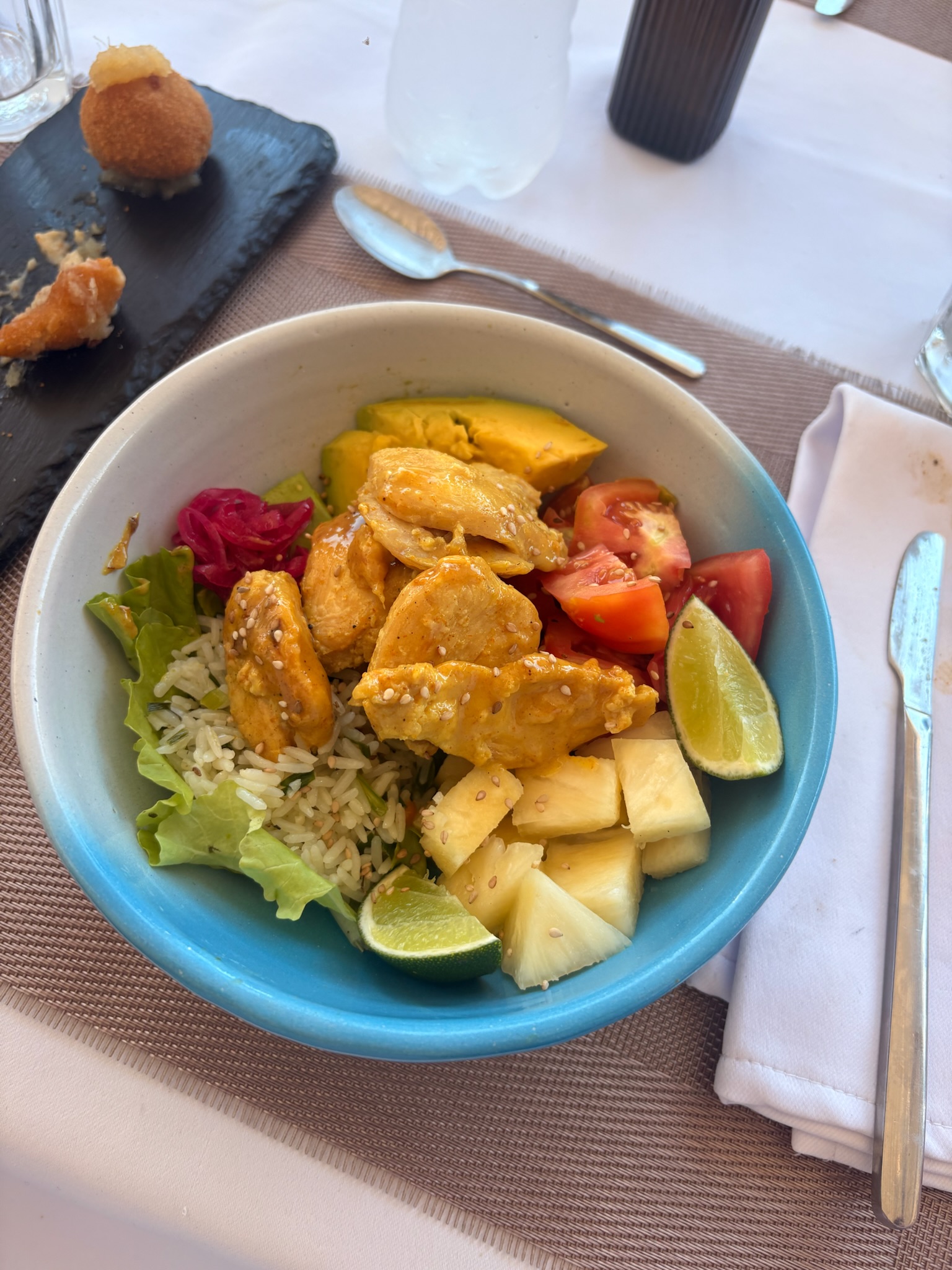
To cap off our tour of Old Havana, we rested our legs and filled our stomachs at the Bahia Restaurant. This rooftop restaurant served as a perfect view overlooking the Lancha Habana and its pretty waters. After appreciating the stunning views, I personally indulged in my favorite meal of the trip: a simple yet fresh chicken bowl consisting of fresh tomatoes, white rice, avocado, pickled onions, lettuce, lime, and seasoned chicken. This dish was followed by an unconventional yet delicious dessert of guava and cheese.

(Chicken Bowl from Bahia)

Classic Cars Tour

After leaving lunch, we took the bus to a garage featuring classic American cars from the 1920s to the 1960s. A group of kind mechanics shared the history behind these cars and just how they ended up in Cuban hands. After taking some group pictures, we had the amazing opportunity to be driven in these cars down to Plaza de la Revolución, where we soaked in the history of the revolutionary figures represented in murals on the buildings. Striking figures such as Che Guevara and Camilo Cienfuegos stood tall on the black outlines of significant governmental buildings. The grand Jose Marti memorial joined these buildings as the site of numerous political rallies where important political figures such as Fidel Castro held massive speeches and large-scale national celebrations. 

Recap on Day 3

Day 3 was my personal favorite of the trip. To start off with an immersive experience in the history-rich district of Old Havana was one to remember. The beautiful architecture and old-timey feel truly put us in the moment to learn about the several legacies that live in that district. Bahia was the perfect place to take a break and refuel with some amazing food before moving on to our classic cars tour. As we cruised through the streets of Havana in American-made machinery, the tour served as a reminder of just how much American history is intertwined with Cuban history. To cap off the tour with one of the most famous political sites in Cuba made the perfect end to the perfect day in our journey.

Ernest Hemmingway and Baseball in Cuba

Monday, January 5th, was only our third day in Cuba, but it turned out to be one of the most enjoyable. The day started out the same way every other day started, a nice breakfast at Casa Vera, which was the place we called home during the trip. Breakfast was fast though, as we had to be ready by 9.00 AM for our first activities of the day; an introduction lecture to CIPS, and a lecture on Jose Marti.

These two lectures were the first actual lectures and classes we would be taking over the course of our trip, so no one, including me, really knew what to expect. CIPS was only a short walk away from Casa Vera, and it was hard to miss, as it was much nicer than many of the buildings in the neighborhood. Once we arrived, we walked through the building into a small outer courtyard, before finally entering a small classroom, which thankfully had air conditioning. The CIPS introduction lecture consisted of three CIPS professors providing a deeper look into CIPS, and what exactly they do there. Like most informational lectures, this one was not the most entertaining. After the CIPS lecture wrapped up, we took a short coffee and rest break for about 10 minutes, before starting our next lecture. The next lecture was on Jose Marti, and I’ll just start by saying this one was much better and much more entertaining. The speaker was super passionate about Jose Marti, and gave the lecture in a way that kept us engaged, while also giving us tons of information and insight into the life and importance of Marti. Marti was a major figure in Cuba’s fight for independence, and is now idolized by almost all Cubans. This was seen many times during our trip, as there are countless statues of him all over Havana.

After the lectures were completed, we hopped on the bus and headed to lunch, which was at this very nice place right on the water. The views and vibes of the restaurant were great. The menu options were very simple and similar to most places we went to, with options like fish, chicken, pork, rice, and beans. I chose to get the Tuna and Congri, which was very good. Lunch didn’t last too long though, as we had to head to the next place very quickly before they closed.

After lunch, we headed to the main activity of the day, which was a tour of the Ernest Hemingway house and museum. It is a large house with its own pool, guest house, tennis court, and more, located roughly 15 miles away from central Havana. This place was definitely one of the nicest places we traveled to in Cuba. The Hemingway house was once the home of Ernest Hemmingway, a famous American author. Hemingway first visited the island in 1928, and instantly fell in love with its culture, people, and lifestyle. In the 1940s, Hemingway finally returned and purchased Finca Vigía, which is now known as the Hemingway house. After his death in 1961, Hemmingway’s wife Mary took over the house, and slowly turned it into a museum. Everything in the house was kept original, and still is to this day. We couldn’t enter the house during the tour, but could look inside through the windows. Inside were large animal statues on the walls, and tons of old furniture. In addition to this, all of Hemmingway’s old books and unfinished projects were still inside, just as he left them. It was really interesting to see everything, as the house itself was sort of frozen in time, and gave a unique look into what life in Cuba was like back then.

To finish off the day, we played a game of baseball against the Gigi All Stars, a baseball team composed of young boys ages 5-14, which was formed by Ernest Hemingway himself. During the previous tour, we had seen the boys practicing and warming up. To be honest, from a far the boys did not look too good. They were overthrowing the ball and completely missing the ball when swinging the bat. This was not even close to how they performed when they played against us. Our group batted first, and tagged on a few runs, and we were feeling confident. This quickly changed. It was now the other teams turn to bat, and let me tell you, those boys can play. They were smoking the ball, and quickly snatched the lead from us. Throughout the rest of the game, we would never regain the lead. I think when the game ended, they had won by over 10 runs. So it wasn’t particularly a close game by any means. However, it was still a really fun experience, and gave us insight into Cuban life.

Overall, it was a really fun and interesting day in Cuba, much like every day of our trip. However, I think this one beats out the rest ever so slightly. Not only did we play a great game of baseball with some of the local kids, but we also learned a lot of Jose Marti, someone we would see often during our trip in Cuba.

Almacenes Artisan Market and Seaside Excursion

January 6, 2025, was our fifth day in Cuba. After eating breakfast at the residence in the morning, we were set to go to a market in Old Havana, then a seaside excursion about thirty minutes outside of Havana.

Almacenes Artisan Market

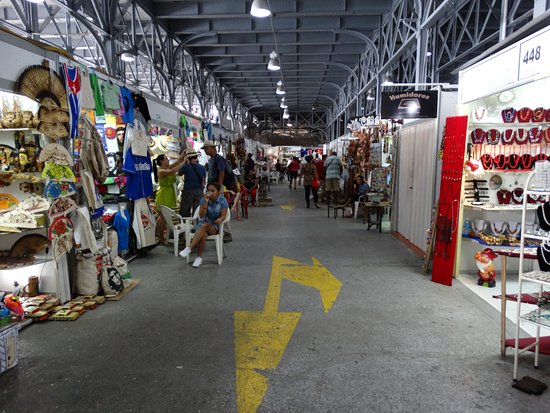
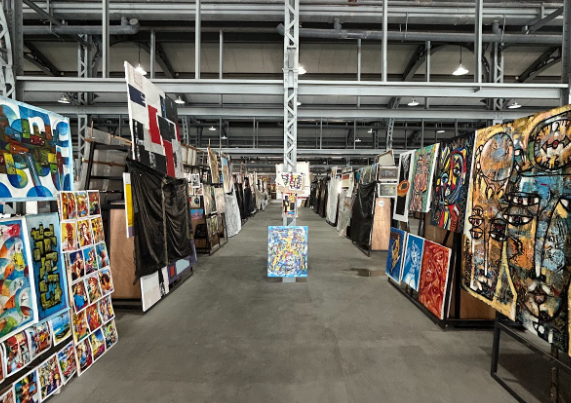
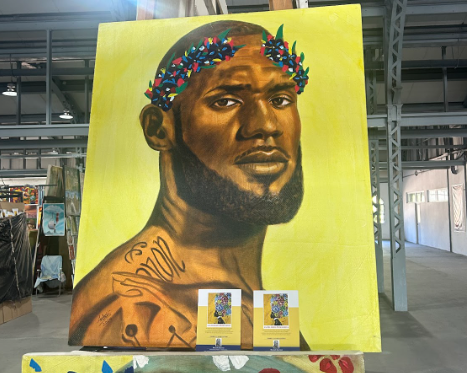
The market, also known as the San José Art Fair, is pictured above. We had about an hour to walk around and buy things. I was fascinated by the talent each individual vendor had. There were immaculate paintings, handmade purses, and jewelry. This place is a great way to connect with local Cuban artists and their culture. But, it isn’t rare to bargain for prices here. Often, what you are asked to pay can be lowered through negotiations because these vendors simply want people to buy their goods. Other goods sold here include souvenirs or clothing. I bought a vintage Cuban soccer jersey, which I am excited to wear!
Upstairs in the market, there are many food options as well. As seen in the picture, my friend, Nuala, and I found a coffee shop. I ordered a latte, and she got an espresso over ice. This was the best coffee I had the entire trip, and it fueled us up for the rest of the day seaside in Guanabo.

Seaside Excursion

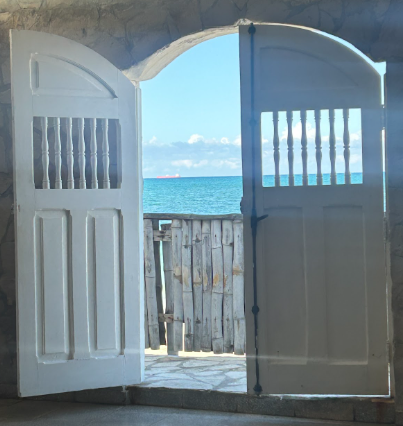
Once we arrived at our seaside excursion, we had a lecture inside this beautiful home, pictured above. We discussed the sea life in Cuba with a marine biologist. She shared with us some of the common species, like sharks and fish. We also talked about how a current issue known as global warming can harm sea life. As the oceans get warmer, we see what is called coral bleaching, where coral reefs lose their colors, leading to starvation and death. This affects all ecosystems that rely on coral reefs to live. As the reefs suffer, so do the food webs in the oceans, creating a mass negative effect on all sea life. Another topic I found interesting in this lecture was about sustainability in Cuba. Cuba has taken legal measures to protect its environment. Most recently, in 2019, they updated their constitution to reinforce climate goals and further protect ecosystems from things such as illegal fishing. I found this information very interesting to compare to the United States, which has minimal legal protections for its environment. Following this lecture, we enjoyed a delicious lunch with rice, beans, pork, lobster, chicken, plantains, and salad.

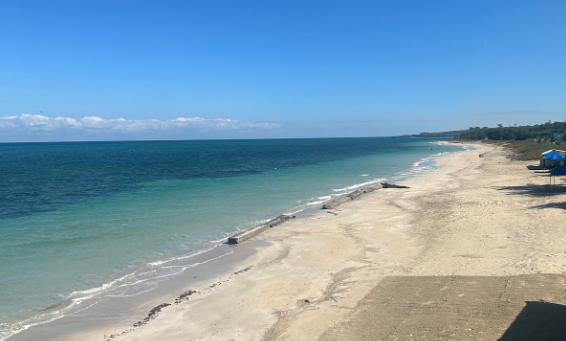
Then we had a couple of hours to take in the environment. As seen above, the house was right on the beach, providing a beautiful sight! We got to swim in the ocean and play different games. This was the most relaxing part of the trip, and allowed me to further connect with Cuba and the people sharing this experience with me. Eventually, we drove home to the residence for a nice dinner together and spent the rest of the evening further exploring Havana as a group.

Curated Colorful Chaos and Educational Learning in Cuba

Day 6 in Cuba (Wednesday, January 7th)

On day six in Cuba, we ate breakfast at the residencia, visited a museum called “Centro Fidel Castro Ruz”, had a lecture on US-Cuba Relations, ate lunch in a mosaic-covered neighborhood called Fusterlandia, and visited a health and wellness LGBTQ+ advocacy center called CENESEX. Due to illness, I wasn’t able to join the group for the morning activities, but I joined them for the afternoon ones.

Fusterlandia: The Mosaic Neighborhood

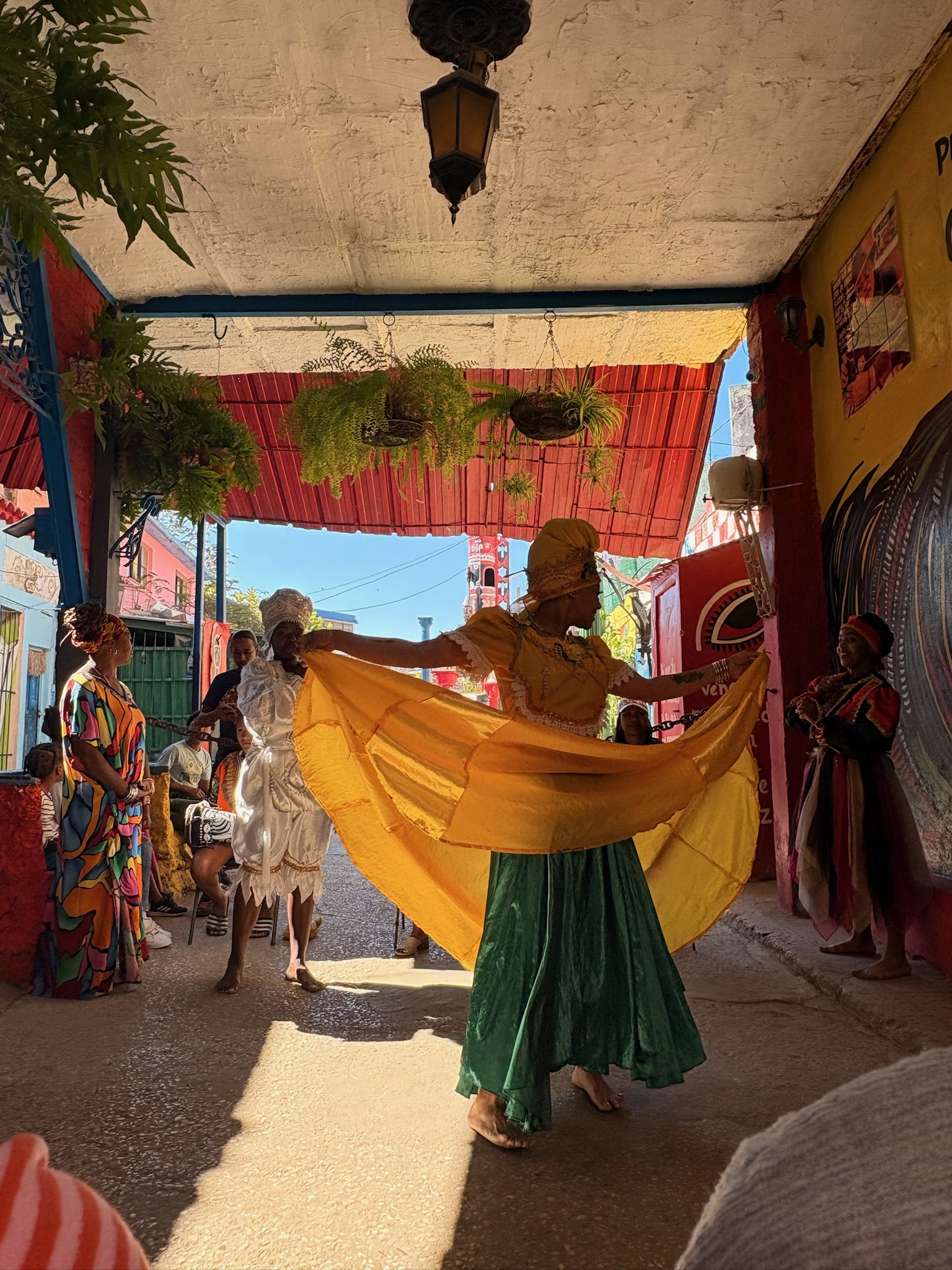
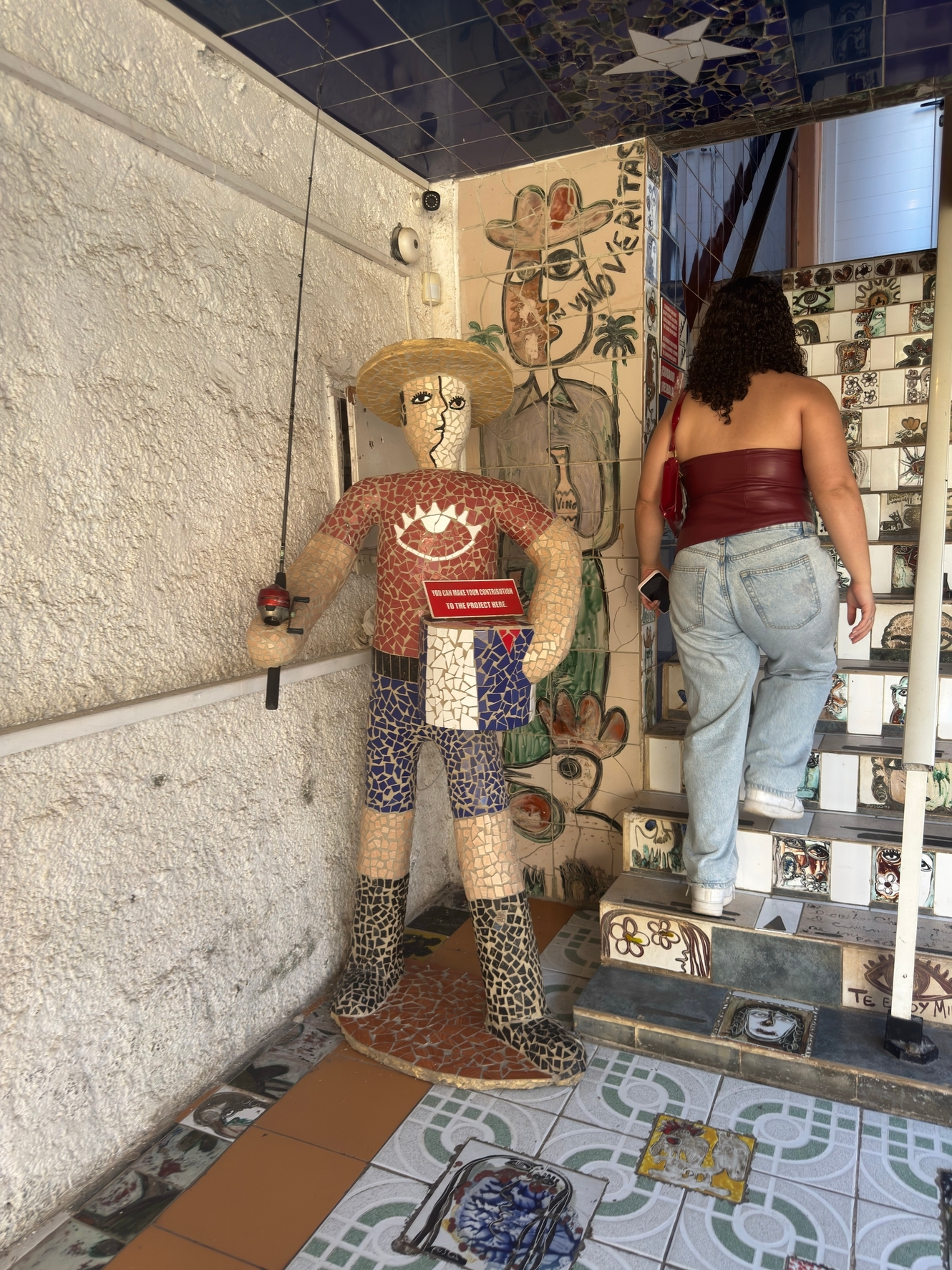
After the group finished the lecture on US-Cuba Relations, I met them at the lecture hall called CIPS, and we got on the bus to eat lunch in a colorful neighborhood called Fusterlandia. Fusterlandia is a public art neighborhood located in Jaimanitas, a coastal district on the western outskirts of Havana, Cuba. This neighborhood was created by artist Jose Rodriguez Fuster and is now a unique work of public art. What started as a personal project became a community-wide transformation. Begun by artists several decades ago, this art complex now covers houses throughout the neighborhood and on walls lining the streets. It’s an open-air art environment filled with mosaics, murals, sculptures, and hand-painted buildings. Fusterlandia is defined by its vibrant, kaleidoscopic mosaics that cover everything from houses and rooftops to bus stops and benches. Some people actually call it a “mosaic wonderland” because of the fact that everything is covered and made with mosaics. It’s truly incredible to see. I wish I was there to experience the neighborhood back when it was in the process of being built! Fusterlandia is approximately 20–30 minutes by car from downtown Havana and there are onsite souvenir shops selling original ceramics and paintings. Also, some tours, like ours, include lunch on the property. This spot in Cuba was really fun to see and one of my favorite sights we saw on the trip by far!

CENESEX lecture: care, rights, and respect for all

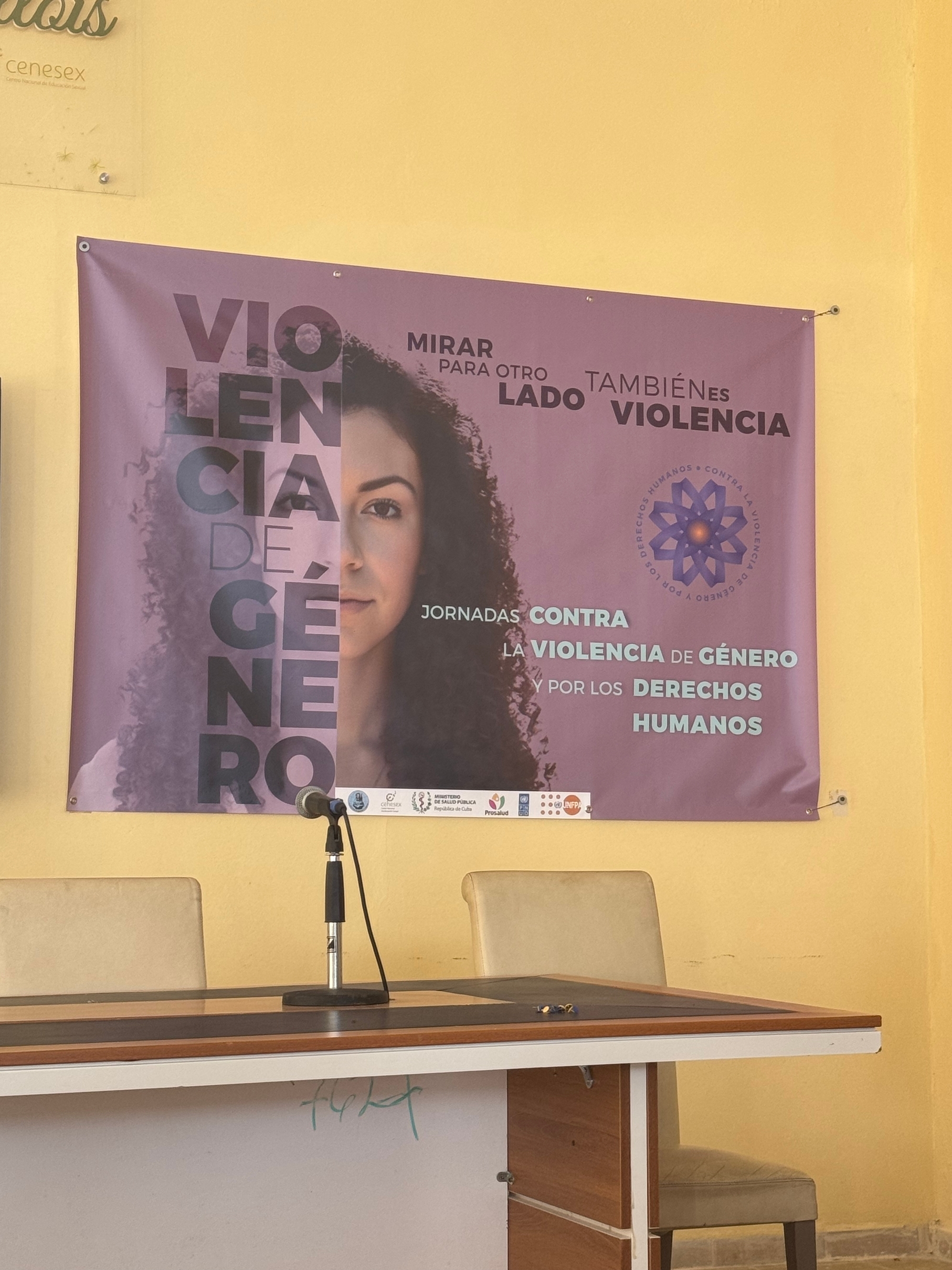
After we ate lunch at Fusterlandia, we visited a place called CENESEX which is a Cuban government-funded institution based in Havana dedicated to sexuality education, research, advocacy, and health services. It operates under Cuba’s Ministry of Public Health and plays a major role in shaping sexual rights, education, and policy on the island. We learned so many interesting things during this lecture including that CENESEX was founded in 1988, one of its first directors was Monika Krause-Fuchs (a German sociologist and educator), and CENESEX grew out of earlier national sex-education efforts beginning in 1972 with the Grupo Nacional de Trabajo sobre Educación Sexual (initiated by Vilma Espín of the Federation of Cuban Women). The full name of the center is “Centro Nacional de Educación Sexual” (National Center for Sex Education).

CENESEX’s work and goals are very broad. They develop educational materials and programs on human sexuality, sexual health and rights, they offer workshops, classes, training for professionals and the public, they provide postgraduate and accreditation programs in sexual health and education, and so much more. Their overall goal is to promote a comprehensive, rights-based approach to sexuality as part of overall human wellbeing. Another important thing they do is continue to work on anti-discrimination initiatives, including campaigns against homophobia and transphobia. CENESEX also offers counseling and support related to sexual orientation, gender identity, sexual violence, reproductive health, etc. In addition, they work with institutions on care for victims of abuse, and community health.

CENESEX is especially well-known internationally for its role in advancing LGBTQ+ rights in Cuba. It has championed acceptance of sexual diversity and the rights of LGBTQ+ people, including transgender rights and legal recognition of gender identity. CENESEX has also played a key role in Cuba’s International Day against Homophobia and Transphobia celebrations and public awareness campaigns.

Overall, CENESEX’s mission is to promote a culture where sexuality is understood as healthy, pleasurable, and responsible, and to ensure the full exercise of sexual rights as part of human rights in Cuban society. The CENESEX team emphasizes a comprehensive, rights-based model of sexuality education rooted in scientific research and social engagement and also manages education, community outreach, and legal advising related to sexual health and rights.

Some of my thoughts on CENESEX: I definitely support what CENESEX is trying to do for the Cuban community, I think it’s wonderful. I really appreciate the fact that CENESEX helped reverse past state discrimination, they see sexuality as a health and human rights issue, they expanded legal protections for families, made transgender healthcare accessible, they use education rather than punishment, they created public space for LGBTQ+ visibility, and CENESEX works within Cuban reality. There are so many reasons for people to appreciate what CENESEX is doing (and has done) for the community in Cuba, and their work is never done. They’re always looking ahead into the future to see who they can help next, and I think that’s definitely a strength CENESEX will always have.

Arrival to Havana

Waking up at 3 A.M. was no easy task, but I knew what awaited me, so I pushed through. I could already feel the excitement building as I loaded my luggage into the car and set off for the airport. After some emotional goodbyes with my mom and the usual annoyances of checking in and getting through security, I was finally at the gate, waiting to board. 

I noticed some familiar faces around me from the pre-departure lectures, so I introduced myself to Ben, Achilles, and Alex. We got talking about how much money we brought and how we felt about the trip, as well as Ben warning me to download maps.me, something that would come in very handy throughout the following week. After some brief chats, we finally boarded the plane down to Miami. As we took off, I looked out to my right, seeing the moon standing high in the sky, and to my left, the sun rising slowly out of the clouds. After a brief layover in Miami, where Ben and I indulged in overpriced food, something that would soon become unfamiliar to us, we landed in Cuba. 

As I was deboarding the plane, I noticed how the Cuban people getting off seemed to know all the airport employees, greeting them as if they were family. Being from Massachusetts, where you’ll be lucky to have a pleasant conversation with a stranger, it was very foreign to see people be so friendly to everyone. Soon after this, we met Camilo and Jorge, our guides for the week, who kept that friendliness and made us feel welcomed as they ushered us over to the bus. As we were walking over, I already noticed a few of the older cars that made Cuba so famous. I’m no car guy, but it was already so unique to see the culture change that quickly. 

Older Cars at The Airport

As we were driving over to Casa Vera, I looked outside and saw so many things I’d never seen before. People were burning trash all over the place, people were traveling by horse and buggy, and other Cubans were casually walking along the edge of the highway. If I saw someone do half those things in America, I would be concerned, but this was the way Cuba operated. Even just a half hour into being on Cuban soil, it already felt like I was in a new world. 

After getting to Casa Vera, we were brought to our rooms, unpacked our clothing, and took a brief moment to relax. We also took the time to introduce ourselves to other people in the program, building friendships that would last long past the trip. We soon found ourselves at orientation, meeting the entire staff of API, our wonderful hosts, as well as the program leader, Melissa. She took us through the basics of Cuba: exchange rates, curfew, and how to handle jinateros and piropos. Jineteros are people who hassle you on the street for money, and piropos are people who will catcall you, men or women alike. As I was learning about them, it reminded me of walking through Times Square and experiencing the same things, making me realize not everything was different between Cuba and America. 

We finally went on a neighborhood tour, seeing a local gym and a 24/7 market that would soon satisfy our hunger on many late nights.

Local Buildings in Our Neighborhood

After getting a glimpse of what our neighborhood was like, we came back to the Casa and headed upstairs for some much-needed dinner. As we were all trying to relax and enjoy some good Cuban food, it suddenly sounded like a bull in a China shop had entered the dining room, as we met the infamous CU Boulder students for the first time. Dinner soon became a show as Clyde, a particularly rowdy CU Boulder student, came to our table and provided us plenty of entertainment for our entire meal. 

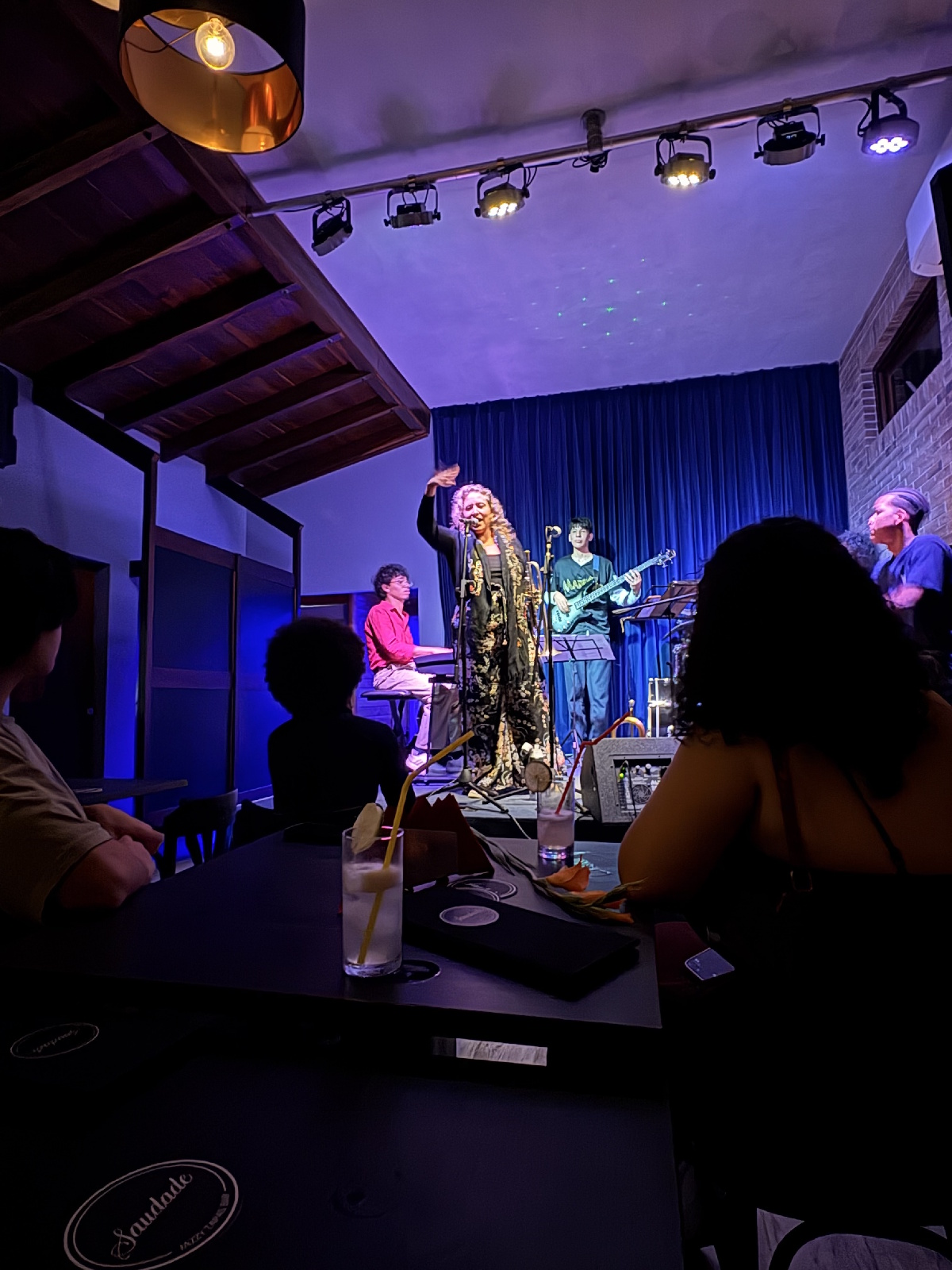
After dinner, we decided to explore around Vedado, our neighborhood, and make the most of our 2 A.M. curfew. We went to Café Infinito first, where the rowdiness of the CU Boulder kids followed us. As Americans, who already have a bad reputation abroad, we felt as if they weren’t doing us any favors, especially in a country that America has already done so much damage to. We left and went to a different spot that had live music, and we were able to sit down and appreciate the beauty that Cuba had to offer us. 

After getting back to Casa Vera, as I was lying in bed reflecting on the day, as well as the rest of the trip, I knew this would be an adventure like nothing else I’d ever experienced before. 

Hemingway House and Baseball

Monday, January 5th, was the third day of our adventures in Cuba. We began the day with some breakfast in Casa Vera; however, we didn’t get much time to relax as the day was starting early and we had to be prepared and at SIPS by 9 for an introductory lecture and a Jose Marti lecture.


Honestly I didn’t really know what to expect of the classes and the lectures while in Cuba, however I did expect their to be more work and emphasis on the classes. Thankfully this wasn’t the case we just got short informational lectures while at SIPS. When we arrived we got a small tour of the facility, showing us some classrooms and offices. Overall, SIPS looked very nice; it was well-maintained and clean both inside and outside. After our short tour, we were guided into the classroom where we had our lectures. Here we met some SIPS professors and did some short introductions and got some overview on SIPS. After introductions concluded, the lectures began shortly after. During the first lecture, it was mainly focused on 3 parts with 3 different professors each speaking about SIPS, the services they provide, and what students usually partake in or learn while a part of the program. This lecture didn’t interest me very much and it did feel a little drawn out lasting a little over an hour, however others may have a different opinion.


Once the overview was completed, we got a 15-minute coffee break with some cookies outside of the classroom. This was a great time to decompress and speak to classmates, API staff, and professors about the lecture and how we felt about it. Also just a great time to build more connections with classmates on the trip. After the 15-minute break, we got back into the classroom, preparing for a Jose Marti lecture. Personally, I really enjoyed this lecture; the professor was very passionate about the topic and seemed very knowledgeable about Jose Marti as well. He spoke about his life and how he fought valiantly for the Cuban people and their independence from Spain. Also trying to keep in mind that Jose Marti was like an idol to the Cuban people, having done so much for them, so there may have been some bias, however he didn’t try idolizing him during his lecture.


After all the lectures were concluded, we rounded up and took some photos outside the classroom, then headed to lunch shortly after. The restaurant where we had lunch had great views. When we were walking to the entrance , we passed through a small dirt path and saw a lot of wild chickens and chicks. When we arrived, we were guided to our tables and sat by a small lake. The ambiance was great, and there was a cool breeze since we were sitting outside.  

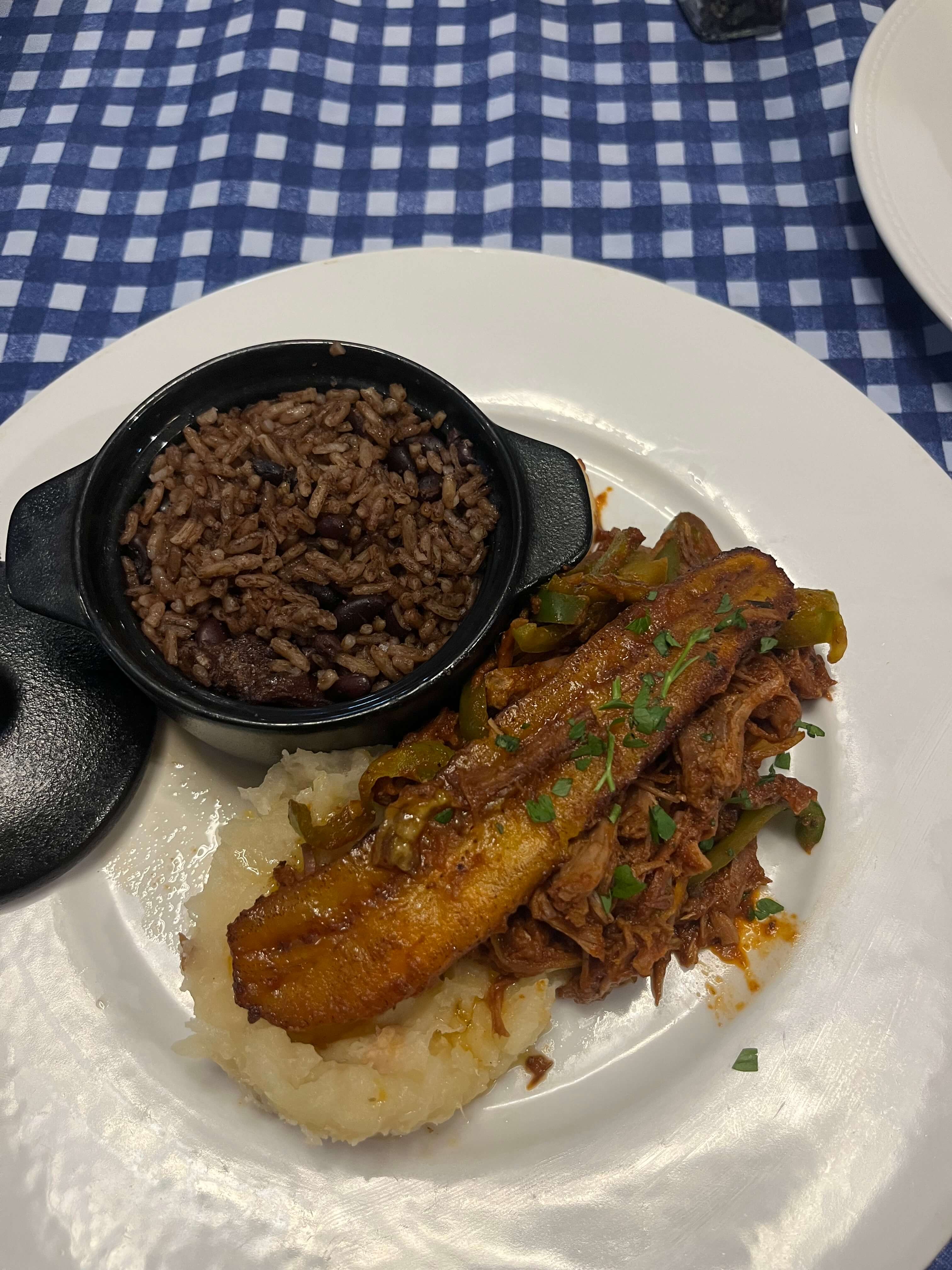
The food at the restaurant was also great; they had various options, like pork, chicken, fish, and “Ropa Vieja,” a very good Cuban dish. The dessert options were either flan or ice cream; the flan was very good. Overall, the experience here was great; there was a lot to see and experience, along with being a great spot to hang back and chat.

After our group lunch, we ran kind of late, so we had to hurry and make our way to the Hemingway Museum. Personally, I really enjoyed this tour as it showed us the personal belongings, manuscripts, photographs, and memorabilia that offer insight into Ernest Hemingway’s life and literary career. The tour guide was also very passionate about Hemingway and loved to clear up misconceptions and rumors that people made up about him. Giving us a full life story and picture of Hemingway and who he really was as a person. The tour guide also shared a lot of personal facts about Hemingway, like how he loved hunting and swimming keeping us really immersed in her story telling. She also went into the story of a plane crash he got into later on in his life, which badly affected him and his mental health. We also got to see some beautiful views of Cuba as the Hemingway Museum was pretty high up a mountain.

Finally, to finish off the tour, we got to see Hemingway’s boat, named Pilar, the name was a nickname for his second wife, along with some graves dedicated to his dogs that would roam his property and keep him company. The tour guide then went on to conclude the tour by answering questions and covering the mysterious death of Hemingway and its obscurity. This tour was one of my favorite parts of the trip as it was very engaging the stories were very interesting.

To finish the day off, we then played baseball with a local team formed by Ernest Hemingway himself, called “Gigi’s All Stars”. The team is made up of young kids, all boys, ranging from 5 to 14 years old. I thought this was a great way to finish the day. The game was really fun. Also knowing that playing the sport means the world to these kids made it really competitive. However, we came nowhere near winning; the score was like 28 to 10. Overall all it was an amazing day full of amazing experiences, we were able to learn a lot while having fun and exploring new places.

Welcome!

This traveling seminar will use the Cuban experience as a backdrop for experiential learning, along with discussions with professionals in that particular field of study, and writing assignments designed to allow students to reflect upon their experience studying and living in Cuba. Students will gain a multi-disciplinary overview of Cuban contemporary culture and further understanding from a cultural, socio-political and historical context. To learn more please contact us. You can also read blogs from previous trips to Cuba listed below or from other destinations across the globe UMass Lowell students travel to.