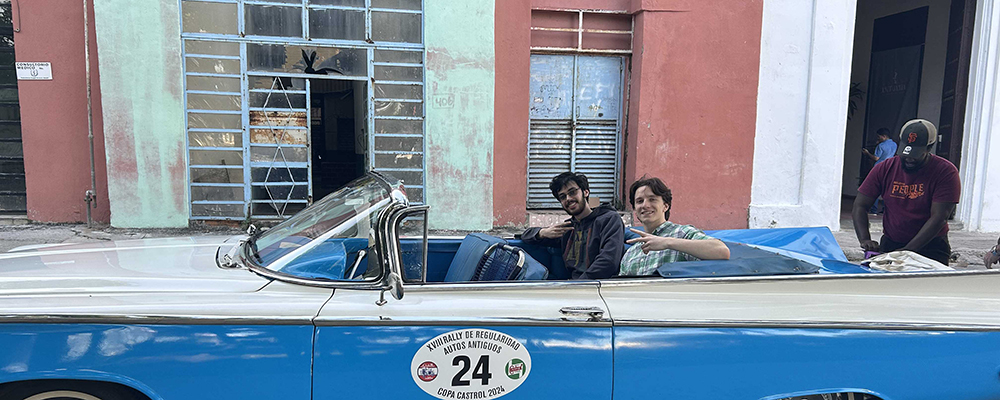

On Thursday the 8th, I woke up feeling very excited. I even went to breakfast that morning, which I usually skip. It’s our second to last day before our return, which means it is technically our last full day. So it was kind of sad, but I was also very excited and been looking forward to this moment because we will be visiting a local polyclinic, which I did a lot of research about before my departure. Before arriving in Cuba, much of my understanding of the Cuban health care system came from that research. In those materials, Cuba’s health care system was presented as one of the country’s most significant accomplishments. It was described as a system built on universal access, preventive care, and community-based medicine despite long-standing economic challenges. While the statistics I studied were impressive, such as high life expectancy and low infant mortality rates, the system still felt distant and abstract. Visiting a local polyclinic on Thursday turned that research into a lived experience and allowed me to see how the facts and data I studied function in everyday life, and listen to the polyclinic director directly answering some of the questions that I had in mind, and seeing the data on research being confirmed by her was really fascinating especially learning more about the assigned “family doctors”.
The polyclinic in Cuba looks nothing like what I had imagined. As soon as we entered the polyclinic, it seemed to me that this was not a health care space designed to impress through modern technology or luxury. The building it self look very interesting and different from the typical healthcare facilities that I’m used to. The building looks old and shows signs of constant use. The flooring looked worn, the walls were faded, and the rooms looked minimalist and contained only what was necessary. The consultation room, it included a simple desk, two chairs, one for a nurse and one for a patient, a sink, and an old-looking fan, as well as natural sunlight filled the room. This highlights the lack of advanced equipment. Despite this, the space was really clean and organized.
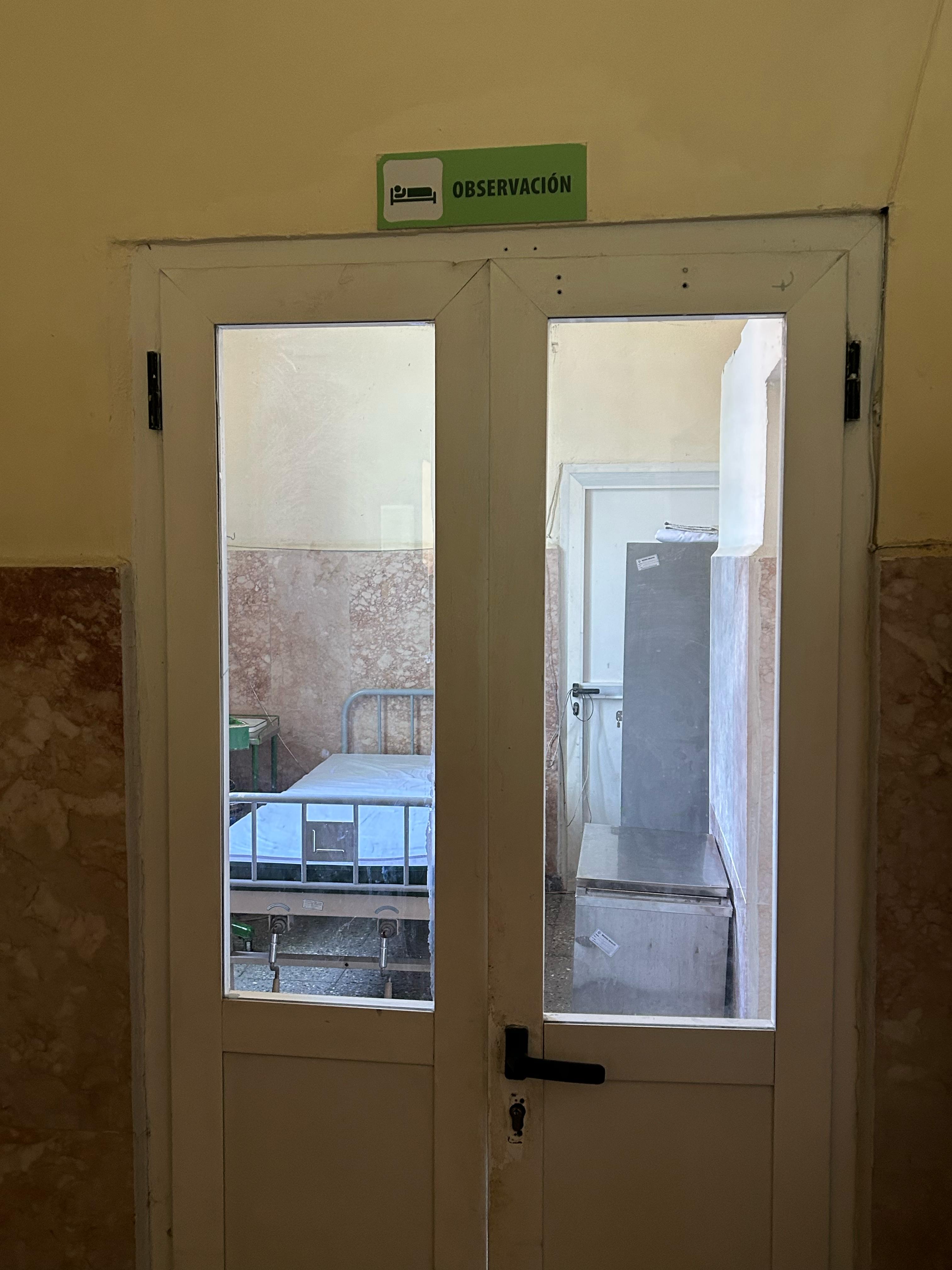
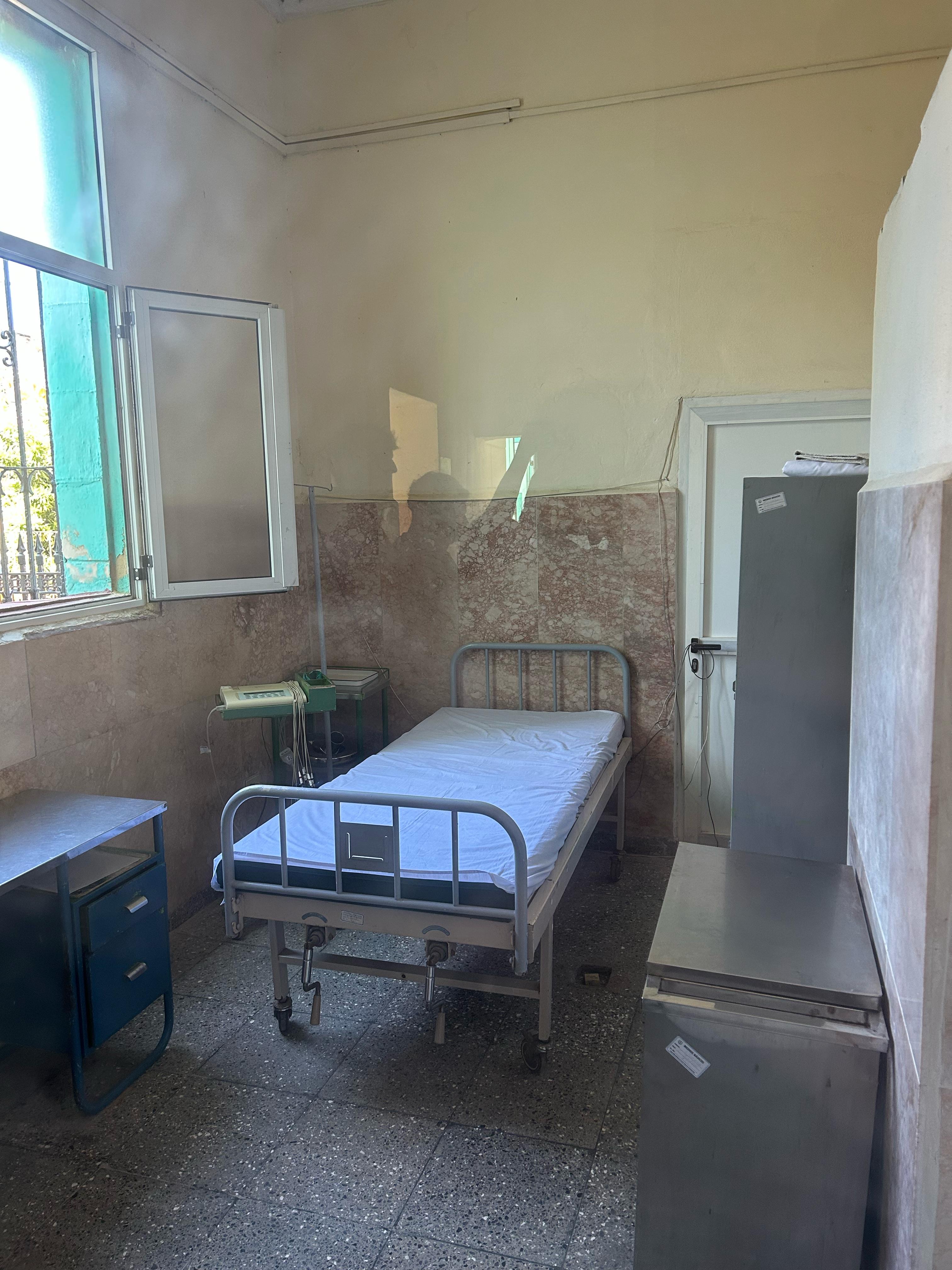
The observation area is marked by glass doors labeled “Observación.” Behind the doors was a single hospital bed with minimal equipment nearby. The bed itself was simple, with a thin mattress and a basic metal frame, a window open relying on natural sunlight and air. This bed is available to anyone who needs it, regardless of income or insurance status. Seeing this in person confirmed what I had only learned about before, which was that universal health care in Cuba is a lived reality, even if it comes with material limitations.
These clinics are the first place patients go to get help and serve specific neighborhoods. Doctors and nurses are expected to know their patients personally, including their family situations and living conditions. My research emphasized that this close monitoring allows the system to catch health issues early and reduce the need for emergency care. Walking through the clinic and learning how it operates made those ideas feel real. Also, it is really surprising to me to see how different it is compared to the United States health care system, such as when we were having a conversation about the ambulance work, it is very new to me that the patients themselves can’t make a call for an ambulance, but it is the doctor who would order it for them, this make sense why I rarely heard any siren on the street of Havana.
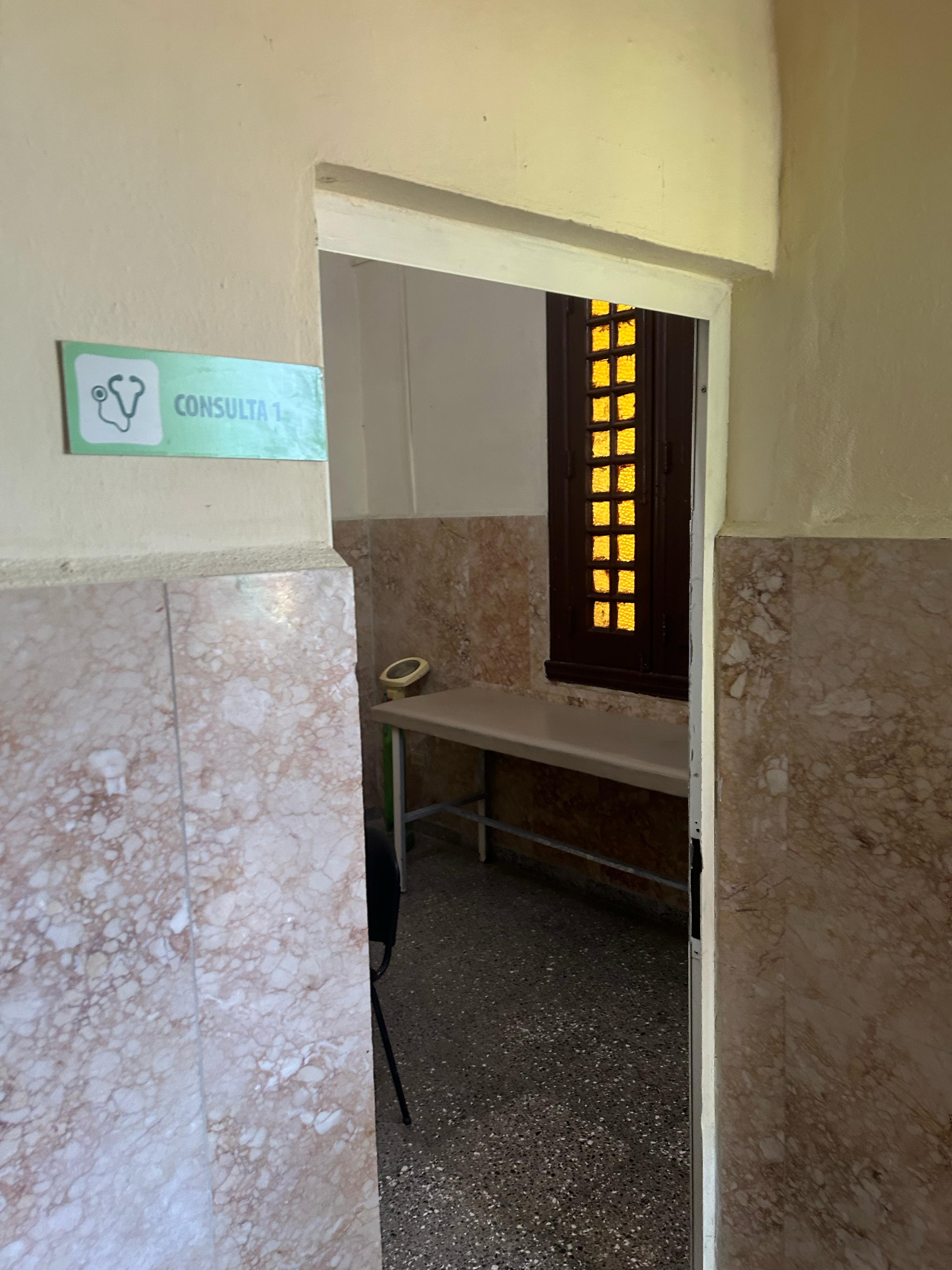
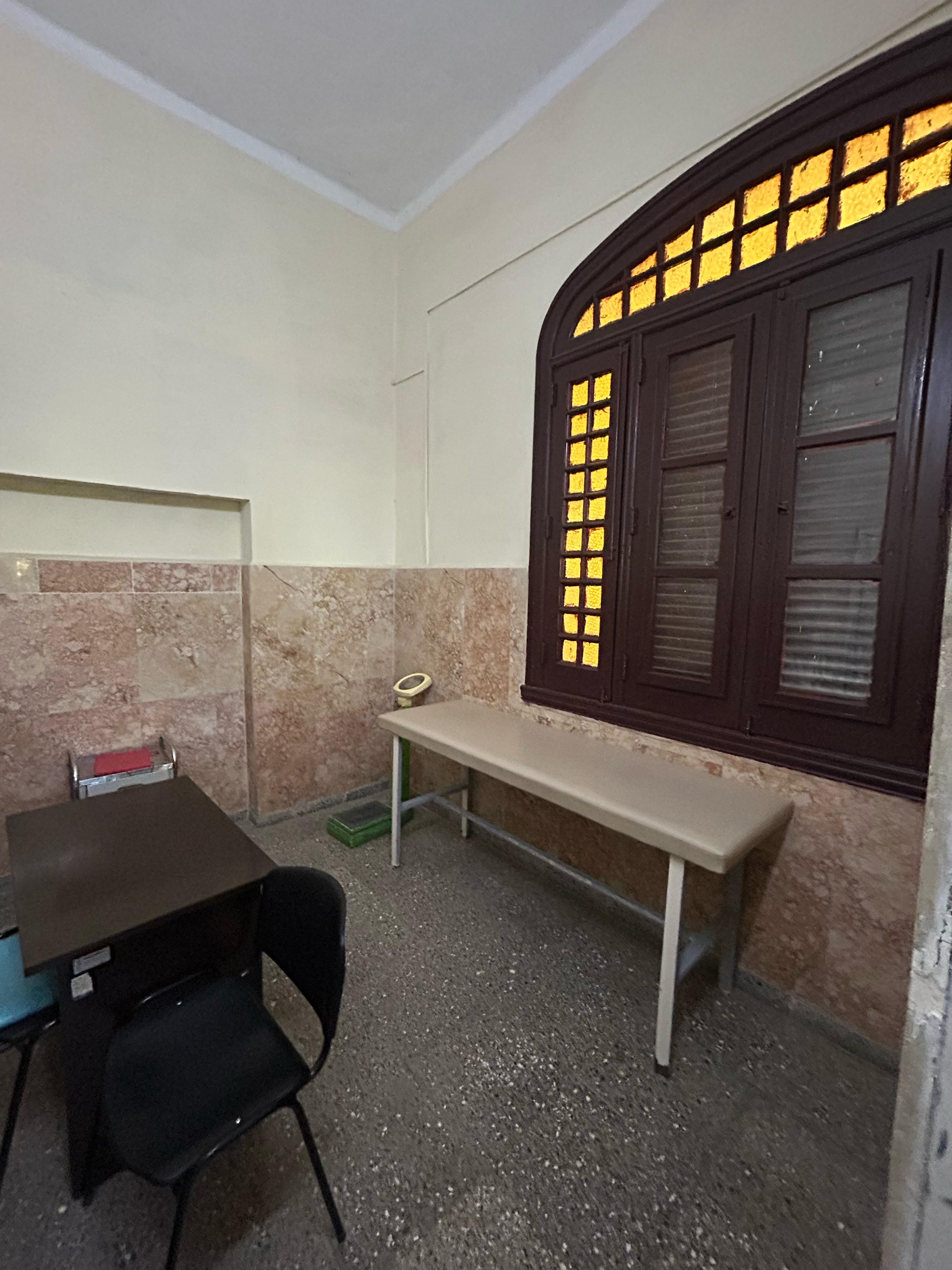
The old infrastructure and outdated equipment reflected Cuba’s broader economic struggles. These challenges were discussed in the lectures and research, particularly in relation to the United States embargo and ongoing shortages of medical supplies. The contrast between strong health outcomes and limited resources was striking.
This experience kind of changed my own perspective about what quality health care looks like. In the United States, I often associate good health care with modern buildings and advanced technology. That perspective was challenged by the Cuban Polyclinic. Despite the small facility, the dedication to community care, prevention, and access was clear. I became more mindful of how privilege affects expectations and how different values might result in efficient health care systems.
The simplicity of each room really shows how much Cuban medicine depends on direct patient interaction. The health care system is neither perfect nor failing, and seeing the system I researched come to life was both validating and eye-opening.

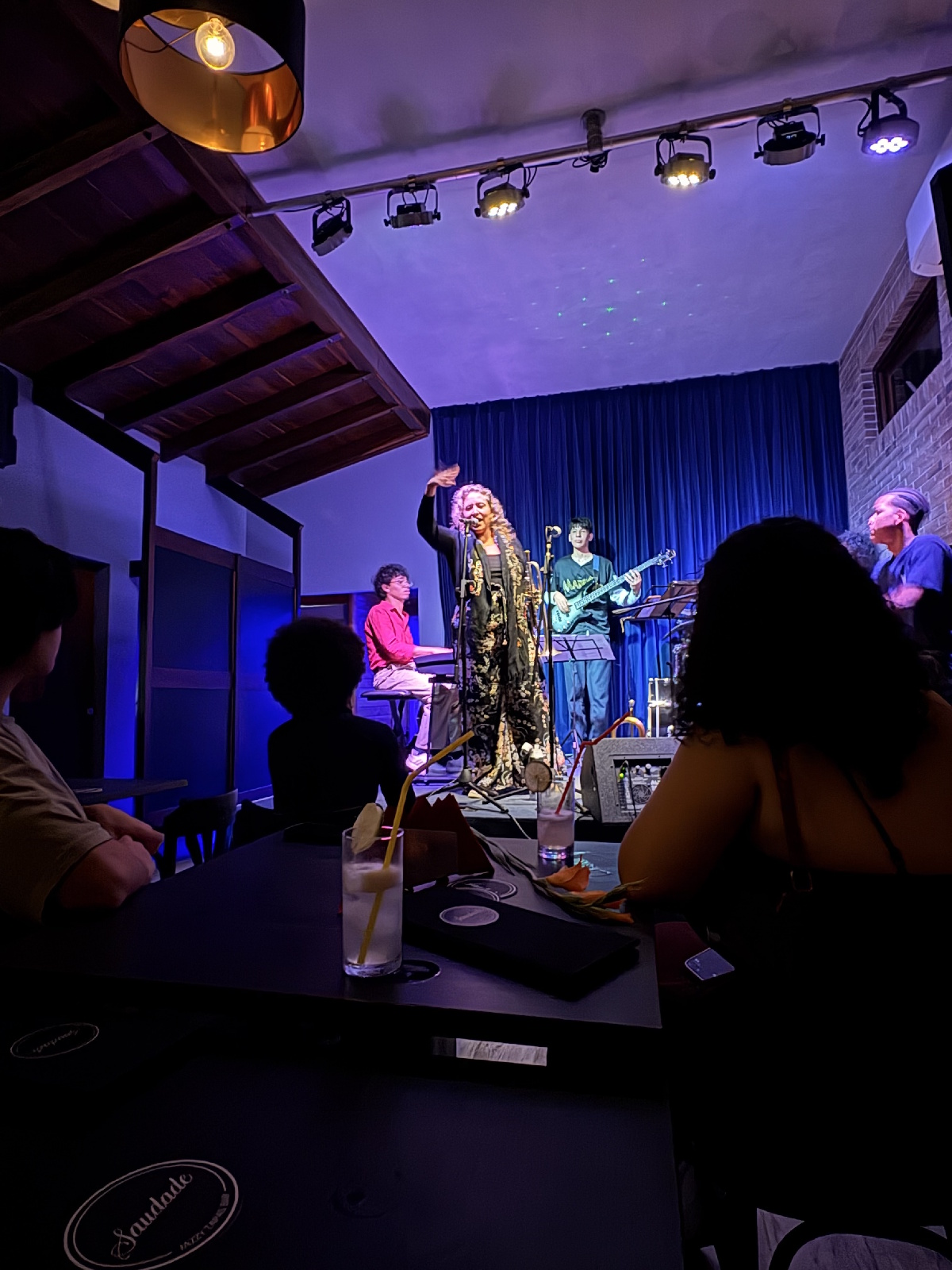
After the visit to the polyclinic, we went back to Casa Vera and had lunch there, and it was very delicious as usual. At the end of the day, we had our farewell dinner at El Del Frente, and we were having a great time enjoying our food and taking pictures together for memories, and had a little debrief moment. And to end of the night we went to a Jazz club which I thought was very cute. Although I’m not the type of person who would enjoy jazz music, but the vibe and aesthetic were amazing.